Notes on becoming.
Short essays on visualization, closure, and the gentler ways to move toward the version of you you've been quietly hoping for.

Dream incubation: the science of planting an image before sleep
For centuries people have gone to sleep with an intention. Modern dream research suggests that what you focus on near sleep can sometimes shape what the dreaming mind explores.

Dreams process the emotional material of your life
Sleep is not a blank pause. It is an active state where the brain integrates recent experience, memory, and emotion - which is why what you carry into the night matters.

Your brain is built to rehearse tomorrow
Cognitive scientists call it episodic future thinking - and it's why a vivid scene of your future self can move you in ways a vague goal never will.

Closure in a parallel reality
On the goodbyes we never got, the apologies that never came, and why a kinder version of a moment can quietly heal something real.

Why images work when imagination feels hard
If "close your eyes and picture your dream life" has never worked for you, you're not broken. You may just need an external image first.

What you see before sleep can shape what your mind processes
Most people give their mind random material before bed - news, reels, comparison triggers. Research suggests pre-sleep visual input can show up in dream content. So choose it on purpose.

Why seeing your future self can change how you act today
Psychologists call it future-self continuity. When the person you're trying to become feels close, vivid, and emotionally real, long-term choices stop feeling so abstract.

When you can't picture a better future - start here
If imagining a better version of yourself feels impossible, it's not a flaw. It's information. Here's the gentler method backed by research.
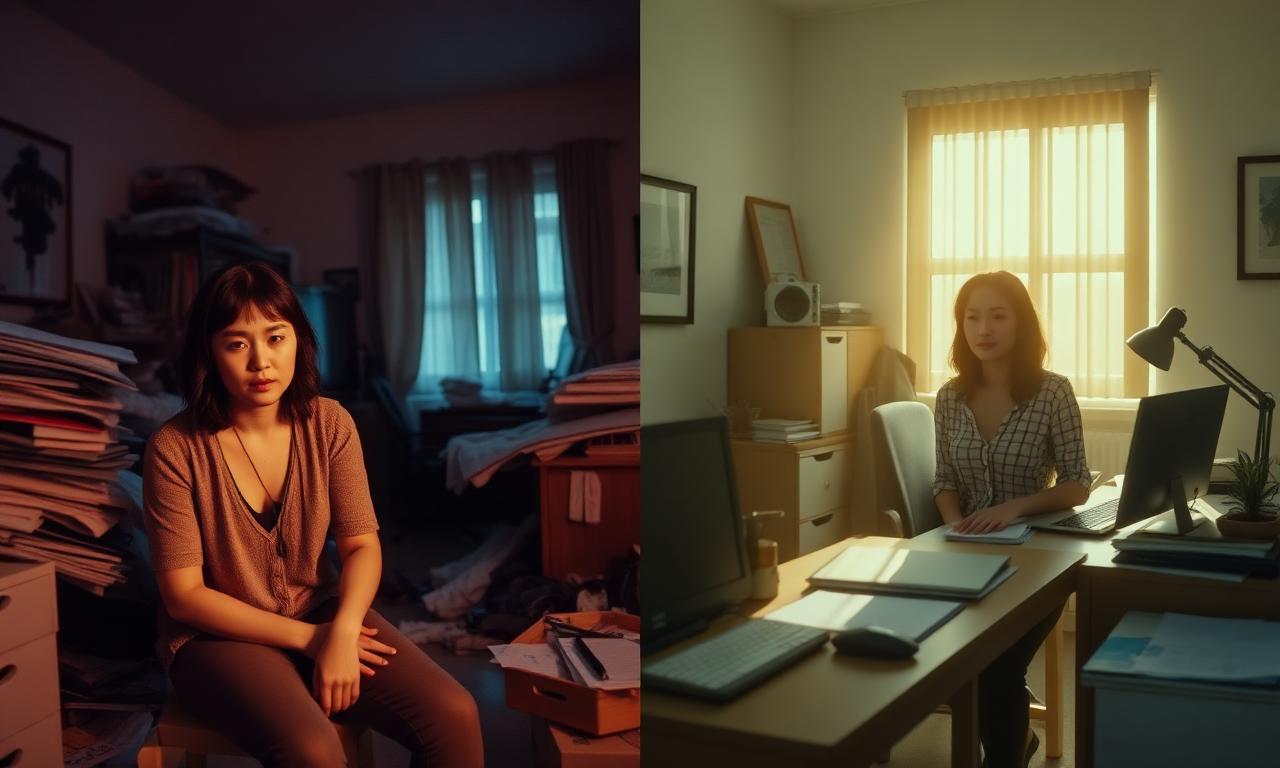
The science of seeing yourself there
Why brain research suggests that vividly picturing your future self changes the choices you make today - and where most vision boards quietly fail.